At D.S. Hospital, Mathura, Dr. Lalit Varshney provides comprehensive surgical care with a focus on General Surgery, Laparoscopic (Keyhole) Surgery, and Endoscopic Procedures. At D.S. Hospital, Mathura, Dr. Lalit Varshney provides comprehensive surgical care with a focus on General Surgery, Laparoscopic (Keyhole) Surgery, and Endoscopic Procedures. With expertise in diagnosing and treating a wide range of surgical conditions, he combines modern technology with evidence-based treatment to ensure safe surgeries, faster recovery, and excellent patient outcomes.
General Surgery is a medical specialty that focuses on the diagnosis, surgical treatment, and post-operative care of diseases affecting various parts of the body. Although the name suggests “general,” it is a highly specialized field that primarily deals with conditions involving the abdomen, digestive system, soft tissues, skin, breast, thyroid, and hernias, as well as many emergency surgical conditions.
A General Surgeon is trained to evaluate surgical problems, determine whether surgery is necessary, perform the operation using the most appropriate technique, and guide patients through recovery. At D.S. Hospital, Mathura, Dr. Lalit Varshney provides comprehensive surgical care using both conventional and minimally invasive (laparoscopic) techniques to ensure the best possible outcomes for patients.
Laparoscopic surgery, also known as Minimally Invasive Surgery (MIS) or Keyhole Surgery, is an advanced surgical technique performed through very small incisions instead of a large cut used in traditional open surgery. A thin instrument called a laparoscope, equipped with a high-definition camera and light source, is inserted through these small openings to provide a clear view of the internal organs on a monitor. Special surgical instruments are then used to perform the procedure with precision.
This modern approach has transformed surgical treatment by reducing pain, minimising scars, shortening hospital stays, and enabling faster recovery. At D.S. Hospital, Mathura, Dr. Lalit Varshney provides expert laparoscopic surgical care using advanced techniques for a wide range of abdominal and general surgical conditions.
Endoscopic surgery is a minimally invasive procedure that uses a thin, flexible or rigid tube called an endoscope to examine, diagnose, and treat conditions inside the body without the need for large surgical incisions. The endoscope is equipped with a high-definition camera and a light source, allowing the surgeon to view internal organs on a monitor in real time. Depending on the condition, specialised instruments can be passed through the endoscope to perform therapeutic procedures.
Unlike traditional open surgery, endoscopic procedures are performed through the body’s natural openings (such as the mouth or rectum) or through very small incisions, resulting in less pain, faster recovery, and minimal scarring.
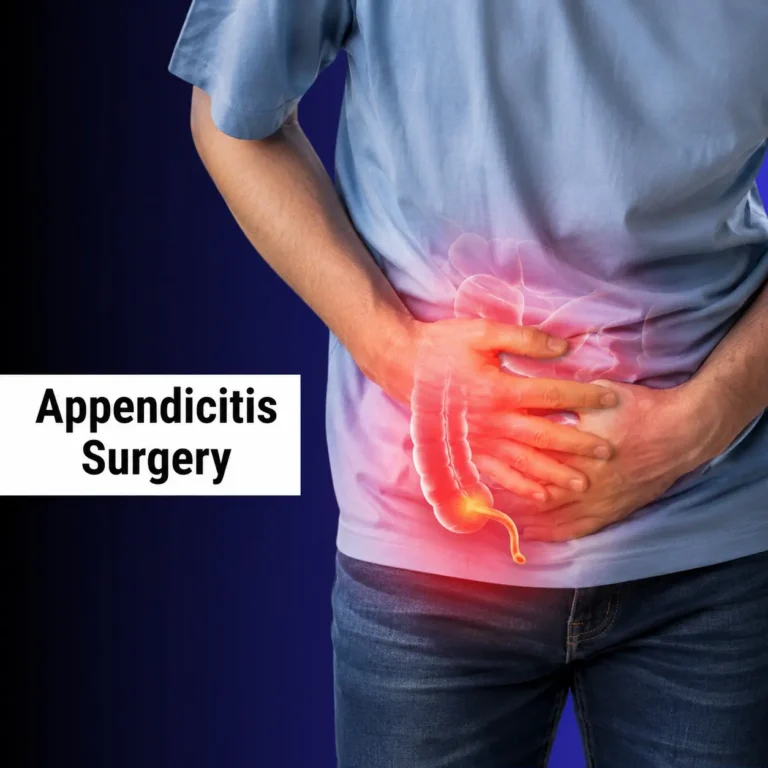
Appendicitis surgery, also known as an appendectomy, is the procedure performed to remove an inflamed or infected appendix. The appendix is a small, finger-shaped pouch attached to the large intestine. When it becomes inflamed, it can cause severe pain, usually starting around the navel and later shifting to the lower right side of the abdomen. Other common symptoms include fever, nausea, vomiting, loss of appetite, and abdominal tenderness. If left untreated, the appendix may rupture, leading to a serious abdominal infection that requires emergency medical care.
Compared with traditional open surgery, laparoscopic appendectomy usually offers less post-operative pain, smaller scars, a lower risk of infection, a shorter hospital stay, and a faster recovery. However, in cases of a ruptured appendix or severe infection, an open surgical approach may be recommended if it is considered more appropriate.
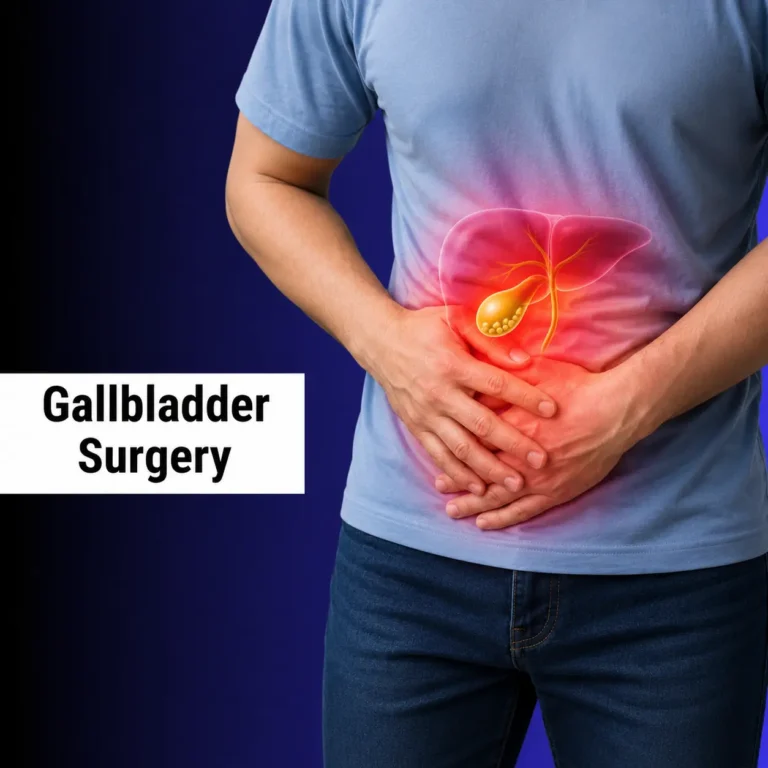
Gallbladder surgery, medically known as Cholecystectomy, is a surgical procedure performed to remove the gallbladder when it becomes diseased or causes persistent symptoms. The gallbladder is a small, pear-shaped organ located beneath the liver that stores bile, a digestive fluid produced by the liver to help break down fats. Gallbladder surgery is most commonly recommended for patients with gallstones, inflammation of the gallbladder (cholecystitis), gallbladder polyps, or blockage of the bile ducts. These conditions can cause severe pain in the upper right abdomen, nausea, vomiting, indigestion, bloating, fever, and, in some cases, serious complications if left untreated.
Compared with traditional open surgery, laparoscopic cholecystectomy offers several advantages, including less post-operative pain, smaller scars, minimal blood loss, a lower risk of infection, a shorter hospital stay, and a faster recovery.
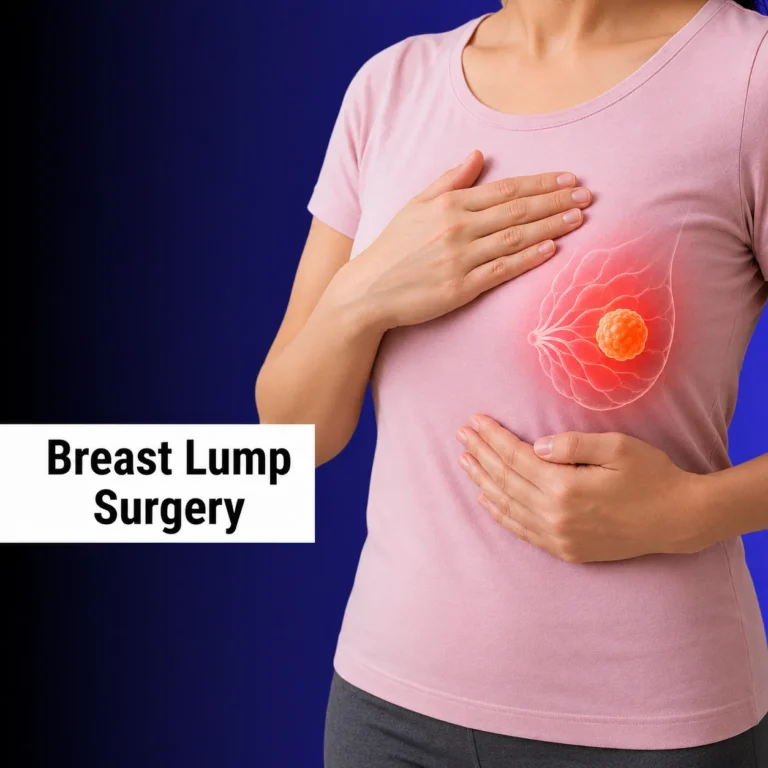
Breast lump surgery is a procedure performed to remove a lump from the breast for diagnosis or treatment. While many breast lumps are non-cancerous (benign), some may require surgical removal if they are suspicious, growing, causing discomfort, or confirmed to be cancerous. The surgery is usually performed under local or general anesthesia, depending on the size and location of the lump. During the procedure, the surgeon carefully removes the lump while preserving as much healthy breast tissue as possible. The removed tissue is often sent to a laboratory for biopsy to determine its exact nature. Most patients recover quickly and can return to their normal activities within a short period, following their surgeon’s advice. Early evaluation and timely treatment of any breast lump can help ensure the best possible outcome and protect long-term breast health.
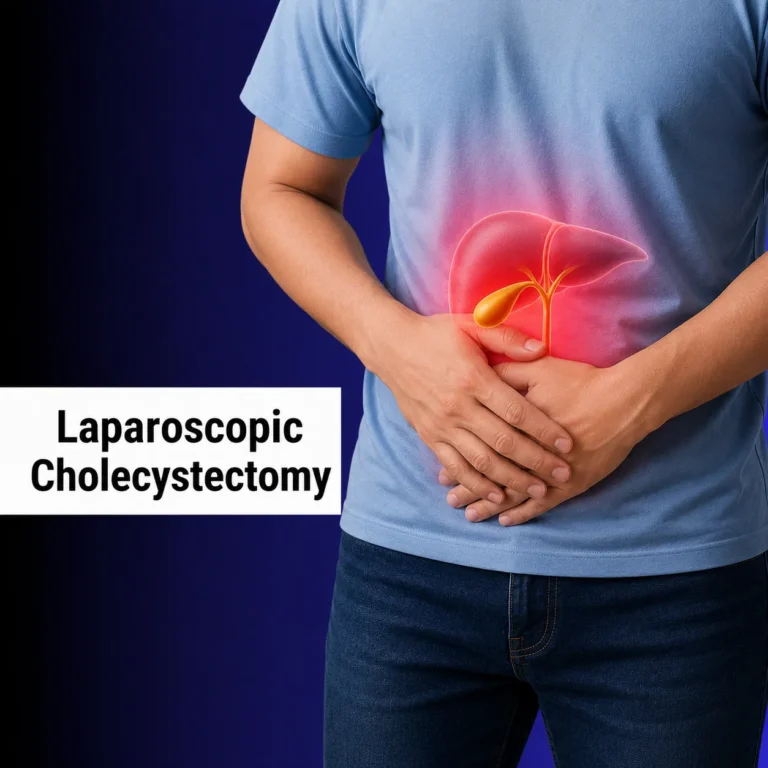
Laparoscopic cholecystectomy is a minimally invasive surgical procedure used to remove the gallbladder, most commonly in patients with gallstones, gallbladder inflammation (cholecystitis), gallbladder polyps, or other gallbladder disorders. Unlike traditional open surgery, this technique requires only a few small incisions in the abdomen. Through these tiny openings, the surgeon inserts a laparoscope—a thin tube equipped with a high-definition camera—and specialized surgical instruments to carefully remove the gallbladder while viewing the procedure on a monitor. Because the incisions are small, patients usually experience less pain, minimal scarring, a lower risk of infection, reduced blood loss, and a faster recovery compared to open surgery. The procedure is performed under general anesthesia and typically takes about 45 to 90 minutes, depending on the patient’s condition. Most patients are discharged on the same day or within 24 hours and can return to their normal daily activities within one to two weeks.
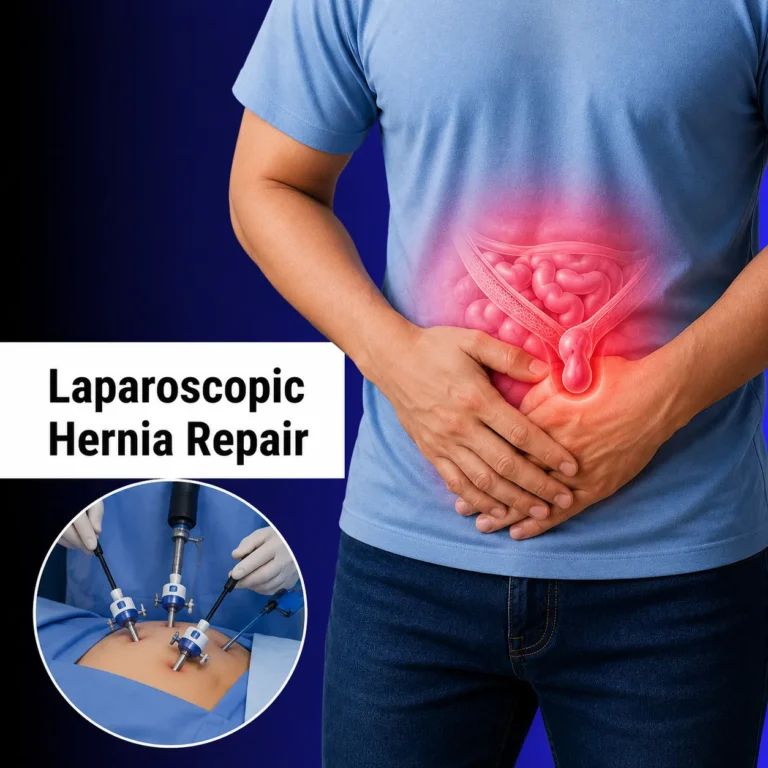
Laparoscopic hernia repair is a minimally invasive surgical procedure used to treat hernias, a condition in which an internal organ or fatty tissue pushes through a weak area in the abdominal wall. This technique is commonly performed for inguinal (groin), femoral, umbilical, and certain incisional hernias. During the procedure, the surgeon makes three or four small incisions in the abdomen and inserts a laparoscope—a thin tube with a high-definition camera—along with specialized surgical instruments. The camera provides a magnified view of the hernia, allowing the surgeon to gently return the protruding tissue to its normal position and reinforce the weakened abdominal wall with a surgical mesh. The mesh provides long-term support and significantly reduces the risk of hernia recurrence. Because the procedure is performed through small incisions rather than a large open cut, patients usually experience less postoperative pain, minimal scarring, lower blood loss, a reduced risk of wound infection, and a quicker recovery.
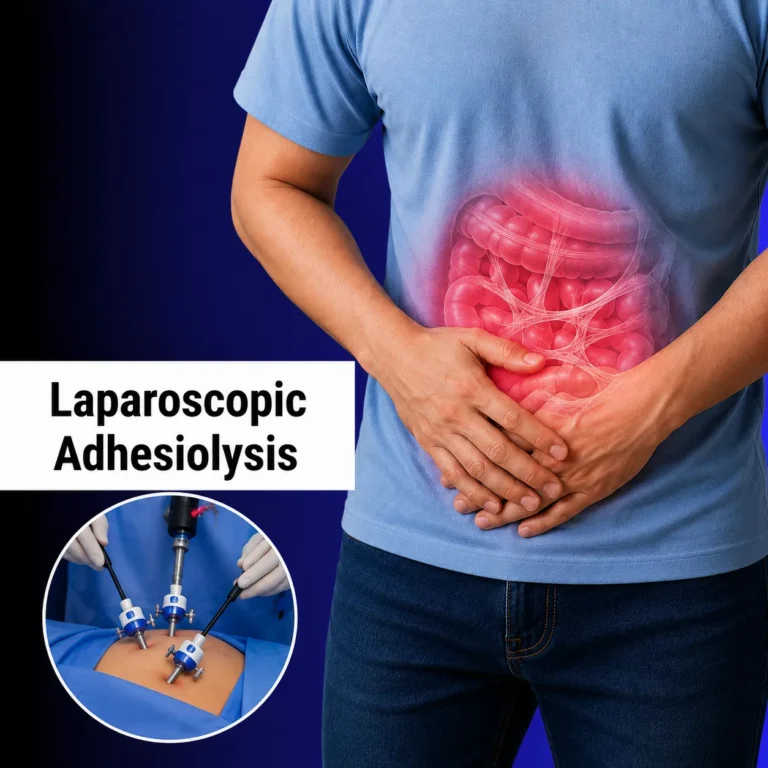
Laparoscopic adhesiolysis is a minimally invasive surgical procedure performed to remove or separate abdominal adhesions, which are bands of scar tissue that form between internal organs and tissues. These adhesions commonly develop after previous abdominal or pelvic surgery, infections, inflammation, endometriosis, or abdominal trauma. In some patients, adhesions may cause chronic abdominal or pelvic pain, intestinal obstruction (bowel blockage), infertility, or restricted movement of the abdominal organs. During laparoscopic adhesiolysis, the surgeon makes a few small incisions in the abdomen and inserts a laparoscope—a thin tube equipped with a high-definition camera—along with specialized surgical instruments. The camera provides a magnified view of the abdominal cavity, allowing the surgeon to carefully identify and divide the scar tissue while preserving healthy organs and surrounding structures.
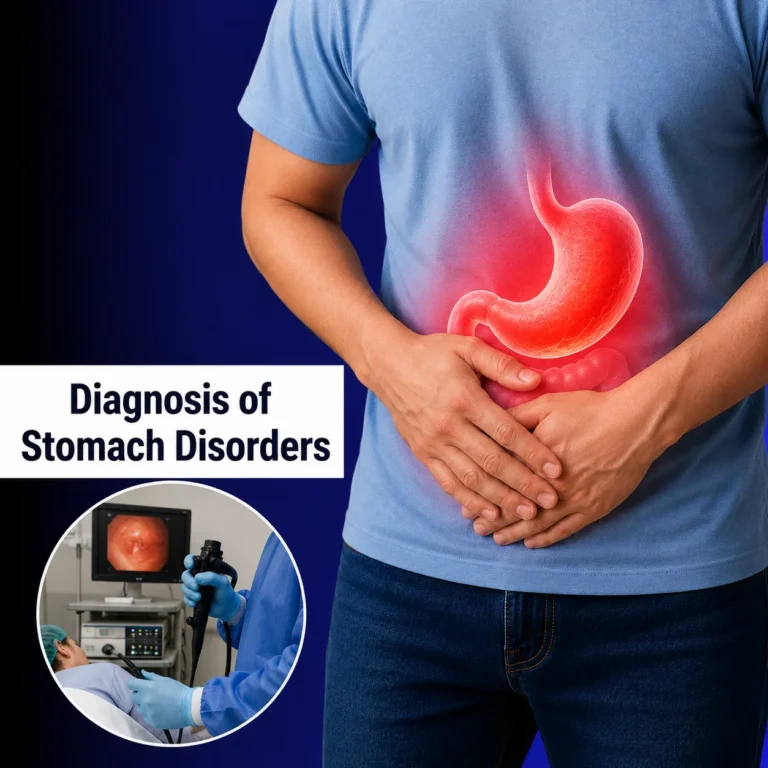
The diagnosis of stomach disorders involves a comprehensive medical evaluation to identify the underlying cause of symptoms such as persistent abdominal pain, indigestion, acid reflux, bloating, nausea, vomiting, difficulty swallowing, unexplained weight loss, loss of appetite, or gastrointestinal bleeding. The diagnostic process usually begins with a detailed review of the patient’s medical history, dietary habits, medications, and lifestyle, followed by a thorough physical examination. Depending on the symptoms, the doctor may recommend a variety of diagnostic tests, including blood tests, stool analysis, upper gastrointestinal (GI) endoscopy, abdominal ultrasound, CT scan, MRI, barium swallow studies, or tests for Helicobacter pylori (H. pylori) infection, a common cause of gastritis and peptic ulcers. Upper GI endoscopy is one of the most effective diagnostic tools, allowing the physician to directly examine the esophagus, stomach, and duodenum using a flexible camera and, if necessary, obtain tissue samples (biopsy) for laboratory analysis.
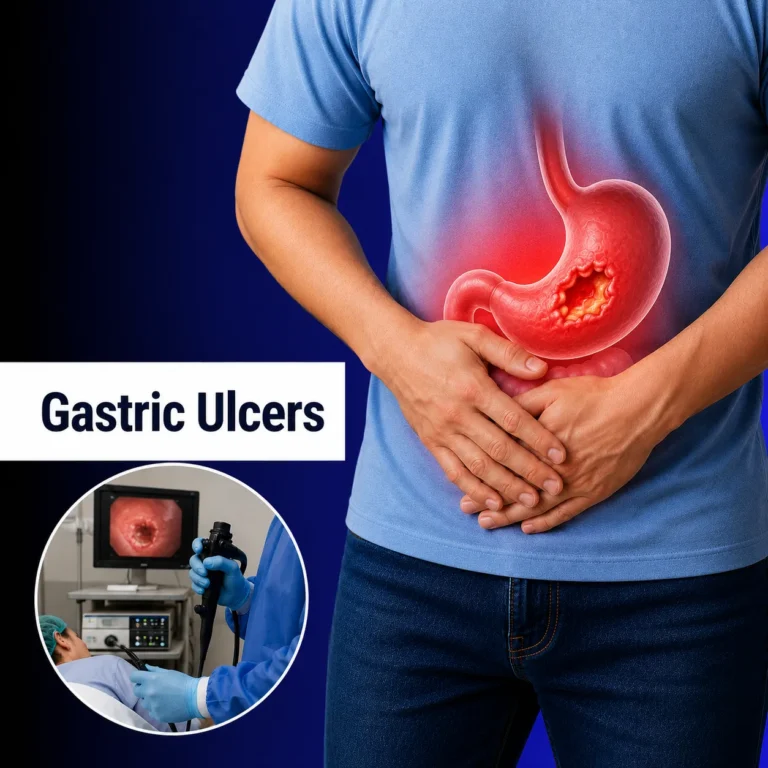
Gastric ulcers are open sores that develop in the lining of the stomach when the protective mucus barrier is damaged, allowing stomach acid to erode the underlying tissue. They are a type of peptic ulcer disease and are most commonly caused by Helicobacter pylori (H. pylori) infection or the long-term use of nonsteroidal anti-inflammatory drugs (NSAIDs) such as aspirin, ibuprofen, or naproxen. Other contributing factors include excessive alcohol consumption, smoking, chronic stress, and certain medical conditions that increase stomach acid production. Common symptoms include a burning or gnawing pain in the upper abdomen, bloating, nausea, vomiting, indigestion, early fullness after eating, loss of appetite, and unexplained weight loss. In some cases, gastric ulcers may not cause noticeable symptoms until complications such as bleeding, perforation, or gastric outlet obstruction occur. Diagnosis typically involves a detailed medical history, physical examination, blood tests, stool tests, H. pylori testing, and upper gastrointestinal (GI) endoscopy,
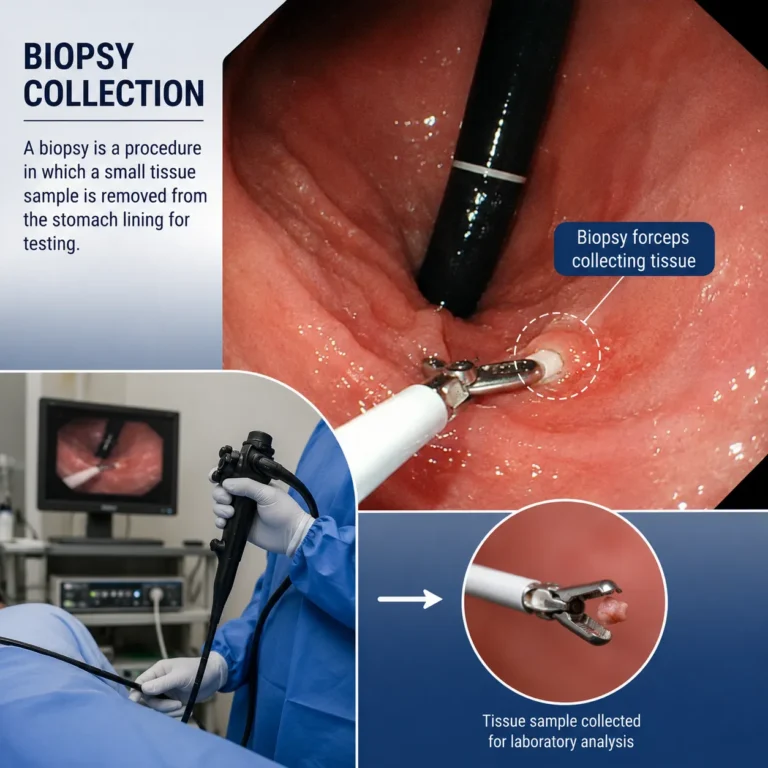
Biopsy collection is a medical procedure in which a small sample of tissue is carefully removed from a suspicious or abnormal area of the body for detailed examination under a microscope. It is considered one of the most accurate methods for diagnosing a wide range of conditions, including infections, inflammation, ulcers, polyps, precancerous changes, and cancer. During gastrointestinal evaluation, biopsy collection is commonly performed during an upper gastrointestinal (GI) endoscopy. A flexible endoscope equipped with a high-definition camera is gently passed through the mouth into the esophagus, stomach, and duodenum, allowing the physician to directly visualize the digestive tract. If an abnormal area such as an ulcer, growth, or inflamed tissue is identified, tiny biopsy forceps are passed through the endoscope to remove one or more small tissue samples. The procedure is generally painless because the stomach lining has very few pain-sensitive nerve endings, and patients are usually given sedation to ensure comfort throughout the examination.
Experienced General & Laparoscopic Surgeon
Advanced Minimally Invasive Surgical Techniques
Patient-Centered Treatment Approach
Accurate Diagnosis & Surgical Planning
Modern Operation Theatre Facilities
Strict Infection Control Protocols
Personalized Pre & Post-Operative Care
Focus on Faster Recovery and Better Outcomes
If you are experiencing abdominal pain, gallstones, hernia, piles, digestive disorders, or any condition requiring surgical evaluation, consult Dr. Lalit Varshney at D.S. Hospital, Mathura for expert diagnosis and advanced surgical treatment tailored to your needs.

A trusted multispeciality hospital in Mathura, delivering expert medical care with modern facilities and experienced specialists.
Home
About Us
Services
Doctors
Contact Us
Endoscopic & Laparoscopic Surgery
Dermatologist
Copyright © 2026, All Right Reserved | Created & Designed By Shreshtha Consultancy Services Pvt. Ltd.
This website uses cookies to provide you with the best browsing experience.